EV vs hybrid vs petrol: Which option makes the most financial sense in 2026?
By Novated Lease Australia (NLA)
6 min read
The drivetrain dilemma
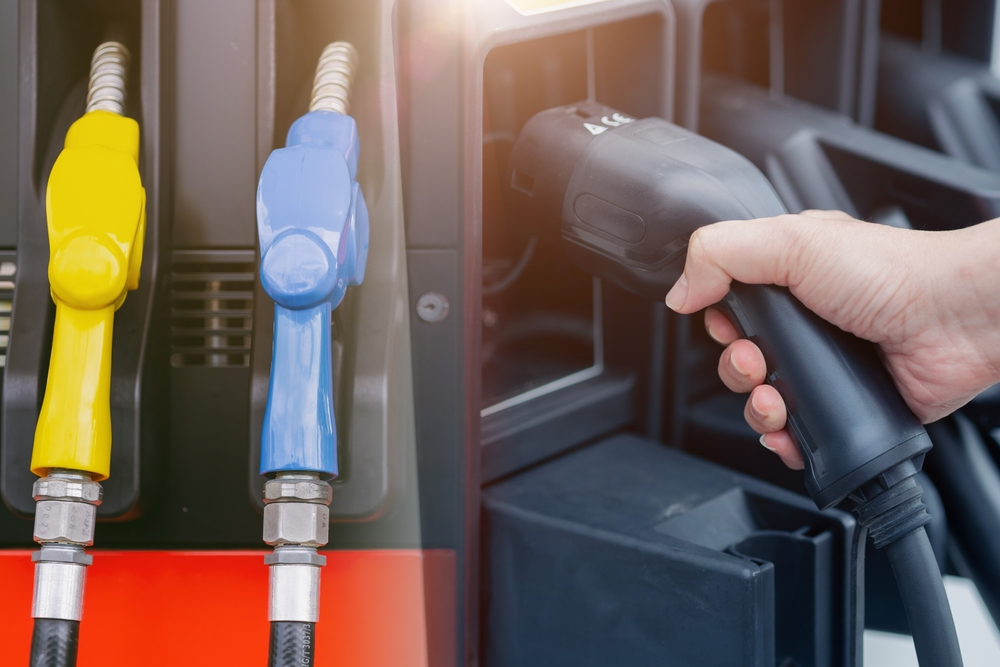
Australian car buyers have never had more choice, or more complexity. Walk onto any dealership lot today and you will likely find three distinct versions of the same model: a conventional internal combustion engine (petrol), a self-charging hybrid (HEV), and a dedicated battery electric vehicle (BEV).
Each drivetrain brings distinct advantages, but determining which one makes the most financial sense requires looking beyond the dealership window sticker to assess fuel, scheduled maintenance, depreciation, and tax implications.
Here is how all three options stack up side by side.
1. Upfront purchase price and showroom parity
Historical price gaps have compressed dramatically, but initial purchase tiers still follow a familiar hierarchy:
- Petrol: Still holds the lowest upfront price tag. For compact city cars and entry-level dual-cab utes, pure petrol remains the cheapest way to drive a new set of wheels out of the showroom.
- Hybrid: Typically carries a $2,500 to $4,500 premium over an equivalent petrol model. For drivers putting on heavy urban kilometres (such as rideshare operators or sales commuters), this premium is usually recouped at the pump within two to three years.
- Electric: Mid-size electric cars now start from roughly $38,000 to $50,000. While the upfront sticker price on certain models still sits slightly above basic petrol variants, the introduction of affordable platforms has brought showroom price parity closer than ever.
2. Running costs: Fuel versus electricity
Weekly energy costs represent the sharpest operational contrast between the three drivetrains.
Assuming an average Australian driving distance of 15,000 kilometres per year:
Even if an EV driver relies on public charging networks for half of their motoring needs, electricity costs remain substantially lower than petrol. For households with rooftop solar or overnight off-peak tariffs, EV refuelling costs are virtually negligible compared to standard unleaded outgoings.
3. Maintenance, servicing, and wear items
The internal mechanical complexity of each vehicle determines its long-term workshop bills:
- Petrol: Requires regular oil and filter changes, spark plugs, drive belts, cooling system flushes, and exhaust sensor maintenance. More moving parts mean a higher probability of component wear as the odometer crosses 100,000 kilometres.
- Hybrid: Combines an internal combustion engine with an electric motor, inverter, and battery pack. While regenerative braking reduces brake pad and rotor wear significantly, the petrol engine still requires standard scheduled logbook servicing.
- Electric: Lacks spark plugs, oil filters, drive belts, starter motors, and catalytic converters. Standard logbook visits focus largely on cabin pollen filters, brake fluid checks, tyre rotations, and coolant loops. Overall servicing schedules are fewer, simpler, and generally more affordable.
4. The tax equation: How novated leasing shifts the balance
When you buy a car outright with cash or through a personal bank loan, you pay for every drop of fuel, every service, and every tyre replacement with after-tax money.
Salary packaging through a novated lease restructures these costs using pre-tax income, but the government treats each drivetrain differently:
The EV advantage
Under the federal Electric Car Discount, zero-emissions electric vehicles priced below the luxury car tax threshold ($91,661 for FY 2026/27) are completely exempt from FBT.
This means:
- 1. 100% pre-tax salary deductions: Both your finance payments and all bundled running costs (insurance, tyres, charging, rego) are deducted directly from your gross income before tax is calculated.
- 2. Zero FBT liability: You do not need to make after-tax employee contributions to offset fringe benefits tax.
- 3. No GST: You save 10% on the vehicle purchase price (up to the statutory limit) and all ongoing running costs.
What about hybrids?
While plug-in hybrids (PHEVs) were previously eligible for the FBT exemption, that concession concluded under federal transition timelines. Standard hybrids (HEVs) and plug-in hybrids are now subject to standard FBT rules, requiring an after-tax contribution (the Employee Contribution Method) to eliminate FBT liability.
A hybrid novated lease still delivers notable GST and income tax savings compared to a standard car loan, but it cannot match the total tax deduction available on a pure electric vehicle.
The verdict: Which vehicle wins?
- Choose petrol if: You need a rugged commercial ute, regularly tow heavy machinery across remote outback corridors, or have a strict purchase budget under $30,000 without access to employer salary packaging.
- Choose hybrid if: You cover high annual mileage (25,000+ km), lack access to dedicated off-street charging at home or work, and want low fuel consumption without modifying your daily habits.
- Choose electric if: You are an eligible PAYG employee looking to maximise take-home pay. When packaged through a novated lease, an EV provides the lowest overall weekly cost, the largest tax deductions, and the lowest ongoing energy bills.
See the real numbers on your preferred models by heading to our online novated lease calculator or speaking with one of our novated lease experts today.
Novated Lease Australia (NLA)
Novated Lease Australia is an award-winning provider of salary packaging and novated leasing services. Recognised for its commitment to transparency and customer service, NLA is the ProductReview.com.au category winner for 2025 and 2026.
You might also be interested in
See all related posts Guides
Top EVs under $75,000 to lease in 2027
See our picks of the top EV models priced below $75,000 that will still be eligible for a full FBT exemption through a novated lease after 1 April 2027.
 Guides
‘Grandfathering’ rules for existing FBT-exempt novated leases
Learn how existing leases may be affected by changes to the FBT exemption rules on novated leases and how to protect your lease from being impacted down the road.
 Guides
EV FBT exemption phase-down explained
Key deadlines for the phase-down of the FBT exemption on EV novated leases, plus what you should do now if you have an existing lease or are considering one.