The new wave of Chinese EV brands changing the Australian car market
By Jess Gallagher — Product Innovation & Marketing Lead
6 November 2026 • 5 min read
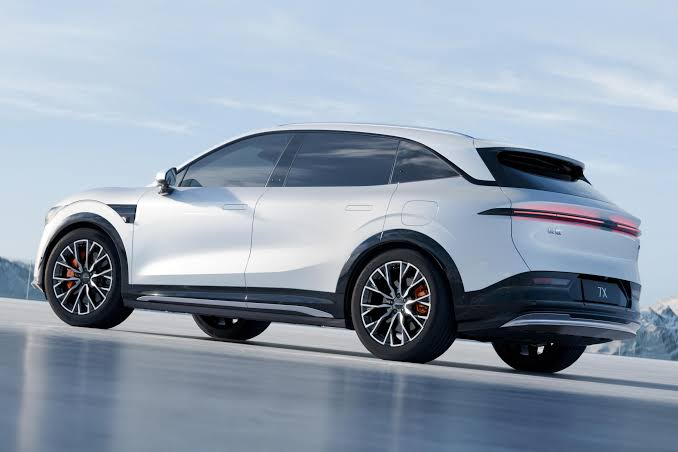
A changing landscape in Australian showrooms
For decades, the Australian automotive market was defined by familiar Japanese, European, and Korean marques, alongside domestic manufacturing mainstays. However, the electric vehicle transition has created an opening for ambitious global manufacturers, and Chinese automakers are moving fast to fill it.
What started as tentative curiosity around early budget models has developed into widespread consumer acceptance. Australian car buyers are discovering that the latest generation of Chinese electric vehicles offers striking design, class-leading cabin tech, high safety ratings, and benchmark battery architecture.
With brands like BYD already competing for top spots on national monthly sales charts, a fresh wave of newcomers is set to shake up the local landscape even further.
The key players entering the Australian market
BYD
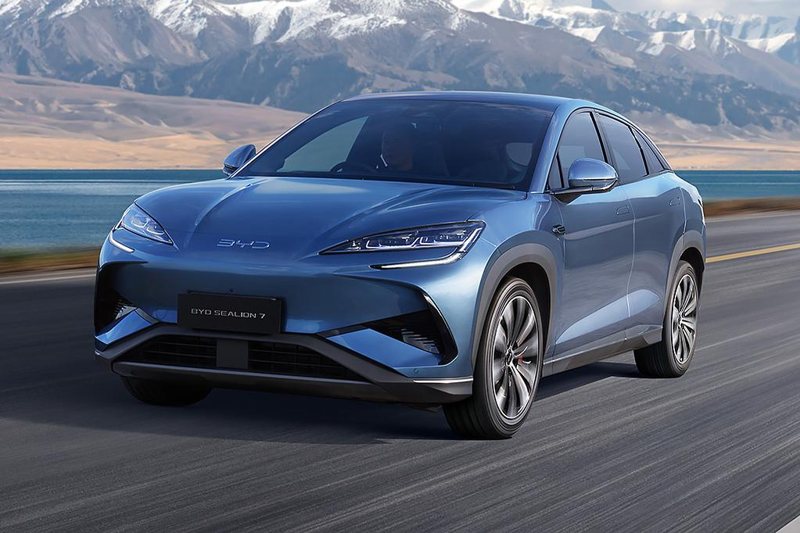
BYD has transitioned from a new challenger to a mainstream powerhouse in Australia. On the back of the Atto 3, Dolphin, and Seal, BYD established a strong distribution network, competitive capped-price servicing, and proven Blade Battery tech. Through sub-brands and expanded utility variants, the company continues to apply downward price pressure across popular mid-size SUV and commercial segments.
Zeekr
Positioned as Geely Group’s premium electric outfit, Zeekr enters Australia targeting buyers who want European-level luxury, rapid charging architecture, and striking Scandinavian-influenced styling without the six-figure price tag. Models like the Zeekr X compact lifestyle SUV and the Zeekr 009 luxury people-mover showcase how Chinese manufacturers are redefining executive transport.
Denza
Originally founded as a joint venture between BYD and Mercedes-Benz, Denza brings high-end electrification to premium buyers. Denza focuses on high-tech MPVs, performance crossovers, and executive wagons, combining plush leather appointments with next-generation range figures.
Geely
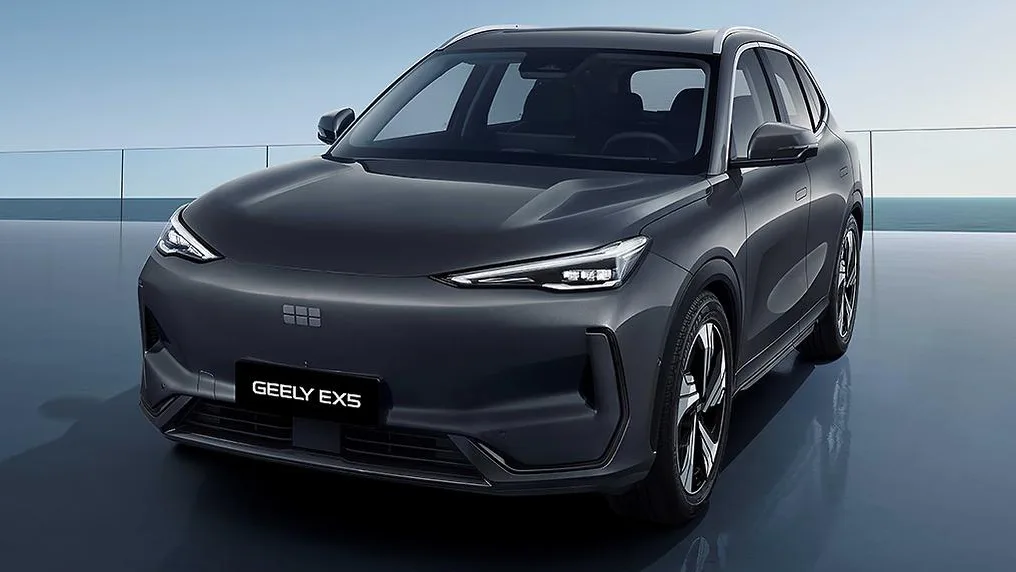
One of the world's largest automotive groups—and the corporate parent of Volvo, Polestar, and Lotus—Geely is bringing its self-branded line-up directly to Australia. Benefiting from shared engineering platforms and stringent European safety standards, Geely’s family electric crossovers offer balanced ride compliance tailored for local arterial and country roads.
Jaecoo and Omoda
Operating under the Chery parent company, Jaecoo and Omoda offer design-led electric and electrified crossovers. Jaecoo focuses on rugged, outdoor-oriented aesthetic cues and practical cargo space, appealing to active regional and suburban families looking for capable all-weather capability.
Why Australian buyers are taking notice
The rapid uptick in interest across these marques comes down to four practical factors:
- 1. Cutting-edge battery safety: Proprietary battery platforms, such as lithium iron phosphate (LFP) chemistry and structural cell-to-body designs, provide high thermal stability, longer cycle lifespans, and the freedom to charge to 100% daily without accelerated degradation.
- 2. Generous standard inclusions: Features that European marques historically gatekeep behind expensive option packs—such as panoramic glass roofs, head-up displays, 360-degree cameras, heated and ventilated seats, and driver-assist safety suites—frequently come standard on base trims.
- 3. Competitive warranty protection: To build consumer trust, most emerging brands back their cars with comprehensive 6 to 7-year vehicle warranties and 8-year battery guarantees, matching or exceeding established competitors.
- 4. Local suspension tuning: Early criticism of soft, floaty highway damping led manufacturers to partner with Australian engineering teams to calibrate steering weight, spring rates, and damper valving specifically for Australia's coarse-chip bitumen and undulating backroads.
How competition impacts the total cost of ownership
Greater competition is a win for Australian drivers. Lower entry pricing pushes down financing principal, while standard feature bundles eliminate expensive aftermarket optioning.
When packaged through a novated lease, the financial advantages multiply:
Because all of these models fall well below the federal luxury car tax threshold, every dollar spent on lease repayments and bundled running expenses—including comprehensive insurance, registration, replacement tyres, and home charging—can be deducted directly from your pre-tax salary without triggering fringe benefits tax.
Navigating your options
With dozens of fresh models arriving in local showrooms, choosing the right electric car comes down to real-world battery efficiency, charging network compatibility, and long-term residual value.
If you are looking to take advantage of this new wave of affordable technology, run the numbers through our novated lease calculator to see how an emerging EV fits into your pay cycle.

About the expert
Jess Gallagher - Product Innovation & Marketing Lead
Responsible for shaping both the tools and the educational resources at Novated Lease Australia.
You might also be interested in
See all related posts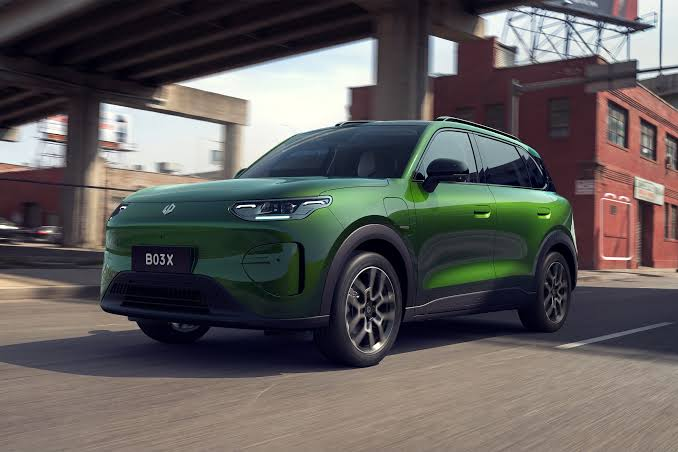 Newsroom
Leapmotor B03X arrives as Australia’s cheapest electric SUV
Starting from an ultra-low $29,990 drive-away, the all-new Leapmotor B03X compact SUV lands in Australia with fast DC charging, clever cabin packaging, and huge pre-tax novated lease savings.
 Newsroom
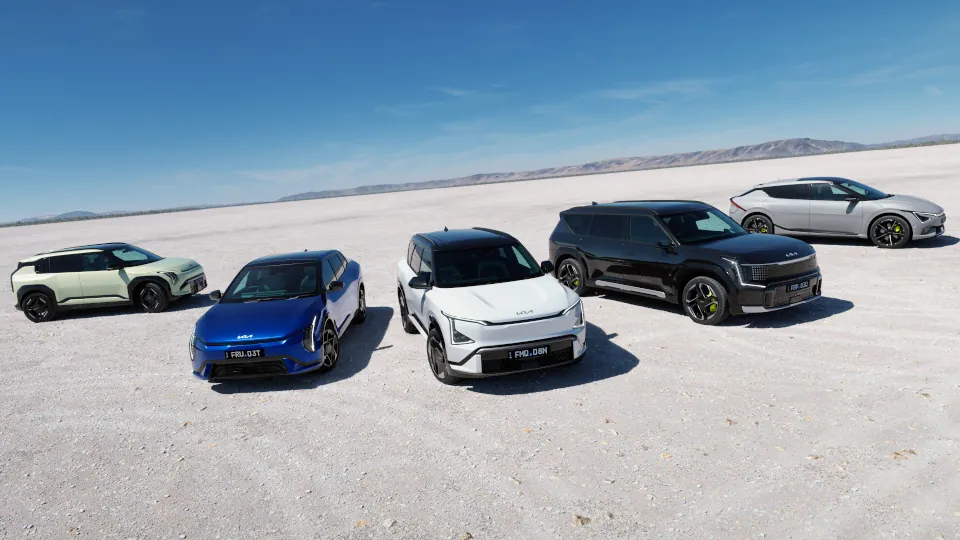
Australia’s EV revolution: Electric cars overtake petrol for the first time
In a historic milestone for Australian motoring, electric vehicles have outsold petrol cars for the first time. Here is what's driving the shift and how novated leasing accelerated the transition.
 Newsroom
Bringing novated leasing to the showroom: Our BYD & DENZA partnership
Novated Lease Australia has partnered with BYD and premium brand DENZA. NLA CEO Bevan Guest explains why bringing salary packaging to the showroom floor changes the game for Australian car buyers.